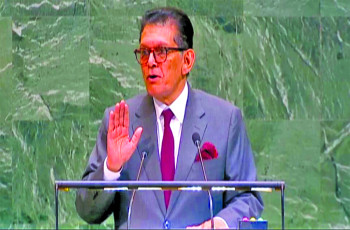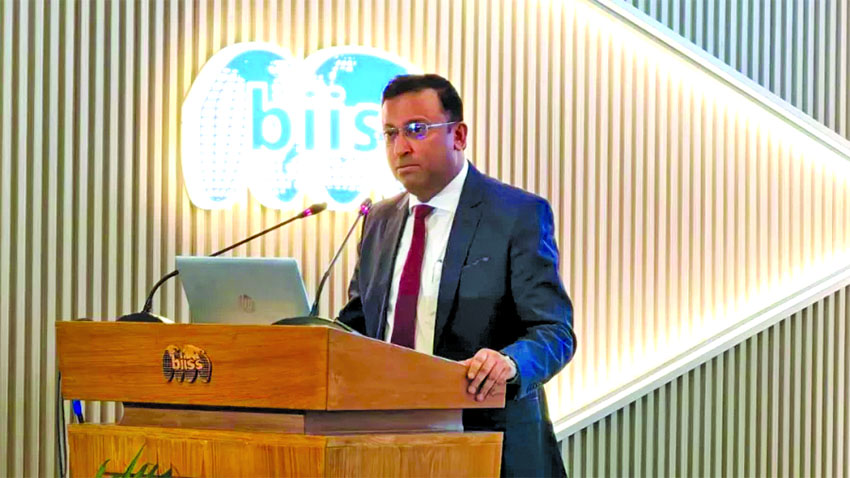
The government was forced to adjust fuel prices due to the crisis in the Middle East, State Minister for Power, Energy and Mineral Resources Anindya Islam Amit has said.
He made the comment while speaking to journalists on Monday about the fuel price adjustment. He also apologised for the hardship the price hike would cause people.
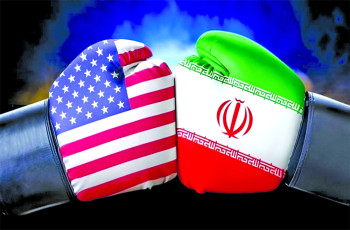
He said fuel prices have been rising steadily due to the situation in the Middle East, with the crisis taking new turns every day. As a result, insurance premiums and shipping costs have increased. Under these circumstances, there was no alternative for the elected government but to adjust fuel prices, he said.
The state minister said the government had repeatedly stated that it would neither want nor take such an unpopular decision unless it had no other option.
“Taking such a decision is extremely difficult. I entered politics with the intention of easing people’s hardships. As a political worker, I understand the difficulties this will cause people. For that reason, I sincerely apologise to the people,” Anindya Islam Amit said.
He said the ongoing crisis would ease soon and, once the situation returns to normal, the government would try to adjust fuel prices again and bring them back to their previous levels or lower.
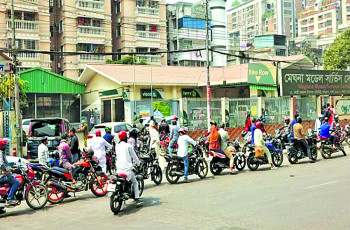
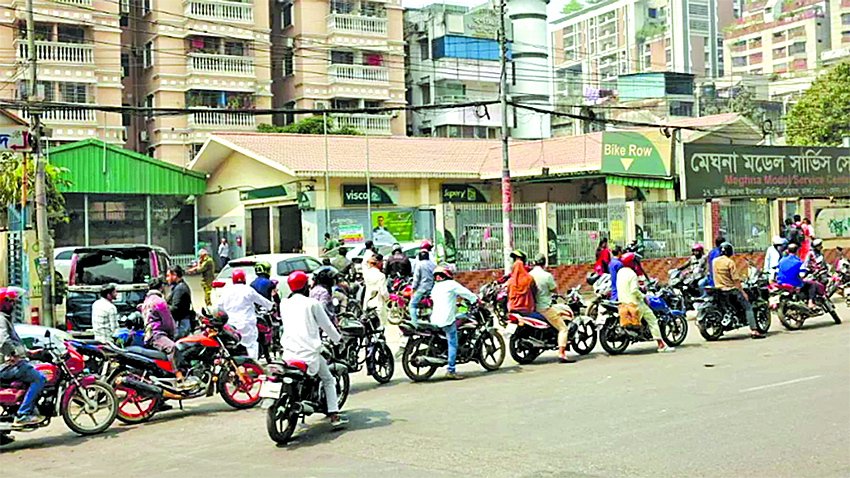
The new fuel prices came into effect on Monday. Diesel has increased from Tk115 to Tk135 per litre, kerosene from Tk135 to Tk155, petrol from Tk140 to Tk160, and octane from Tk145 to Tk165.
However, despite fuel prices in the international market rising by more than double, the government did not increase domestic prices in the public interest. As a result, the Bangladesh Petroleum Corporation (BPC) incurred losses of around Tk22,875.66 crore from March to August.
In August, the BPC sought more than Tk18,699 crore in government subsidies after the conflict in the Middle East sent international oil prices soaring.
Despite the losses, the BPC has continued to import fuel using its own funds for the past five months and is currently incurring a daily loss of around Tk83 crore, according to a written response by Energy Minister Iqbal Hassan Mahmood tabled in Parliament recently.
According to BBC, petrol and diesel prices have reached their highest levels since 2022 as the ongoing conflict in the Middle East disrupts oil production and transportation. Wholesale oil prices have risen above $100 a barrel, putting further pressure on consumers worldwide.
Neighbouring countries, including India and Pakistan, have also raised fuel prices in response to higher international market rates.
SM/CitizenTimes