Despite repeated government assurances that “mob culture” has been brought under control, mob violence continues to claim lives across Bangladesh, with human rights groups reporting nearly 90 deaths in just the first five months of this year.
The latest incident unfolded on Monday in Madaripur, where a crowd reportedly surrounded the district’s Sadar Police Station in an attempt to secure the release of two suspects, reigniting concerns about the state’s ability to contain vigilante actions and enforce the rule of law.
The episode comes against a backdrop of persistently high levels of mob violence, raising questions about the effectiveness of official measures aimed at curbing the phenomenon.
According to data compiled by Ain o Salish Kendra (ASK), at least 89 people were killed in mob violence between January and May this year. Separate figures from the Human Rights Support Society (HRSS) show that 66 incidents of mob violence and vigilante killings occurred in May alone, leaving 31 people dead and 68 injured.
The figures contrast sharply with repeated government statements that mob violence has been brought under control.
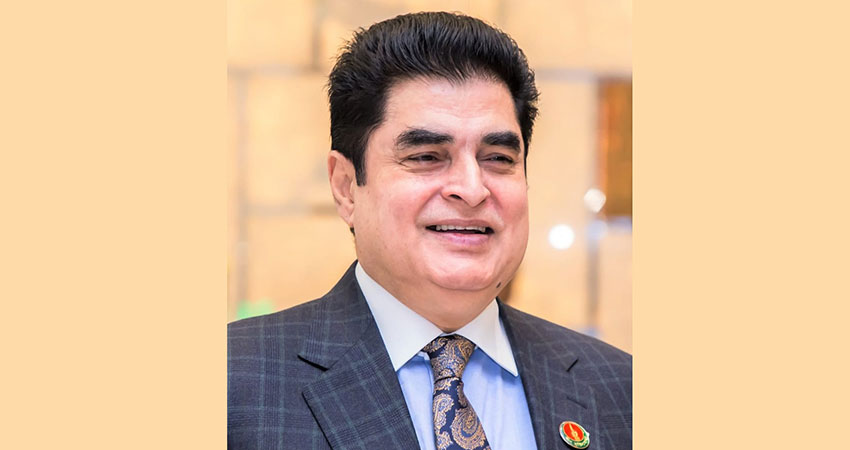
Since the national election, Home Affairs Adviser Salahuddin Ahmed has on several occasions said that “mob culture is over” and that such incidents would no longer be tolerated.
Most recently, on March 30, he told parliament that while democratic rights and freedom of expression would be protected, the country must move away from using crowds and public pressure to pursue demands.Yet rights groups say the pattern of violence has persisted.
Many incidents are triggered by allegations of theft, robbery, religious defamation, personal disputes, local rivalries or rumours spread through social media. In numerous cases, victims are attacked before law enforcement agencies can intervene. In some incidents, violence has occurred despite the presence of security personnel.
Analysts warn that mob violence is no longer simply a law-and-order issue but reflects deeper institutional and social challenges.
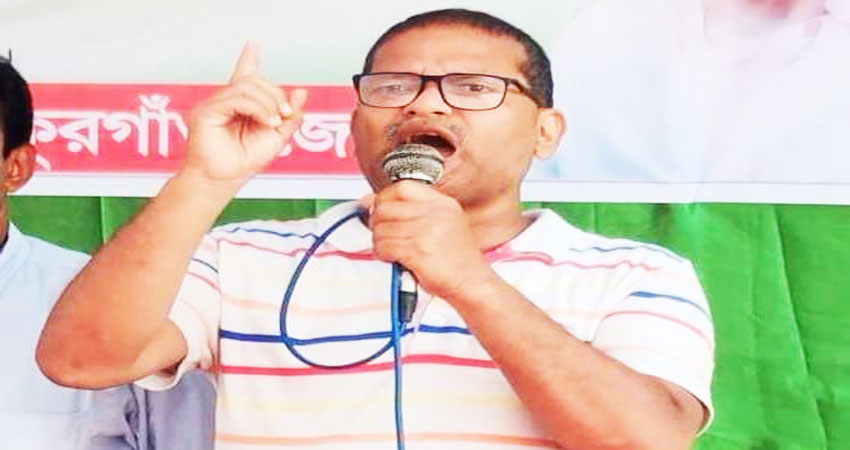
They identify a culture of impunity, political polarisation, declining social tolerance and the rapid spread of misinformation online as major drivers behind the trend.Dr Towhidul Haque, associate professor at the Institute of Social Welfare and Research at Dhaka University and a crime analyst, said every incident must be thoroughly investigated and those responsible brought to justice.“Mob violence is unacceptable under any circumstances. If perpetrators are not held accountable, these incidents will continue to increase,” he said.
Human Rights Support Society Executive Director Ejazul Islam described mob violence as a serious threat to human rights and social stability.