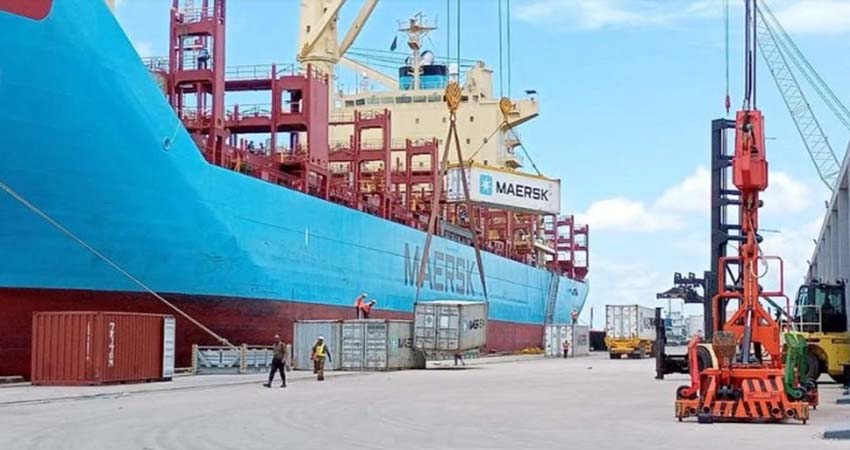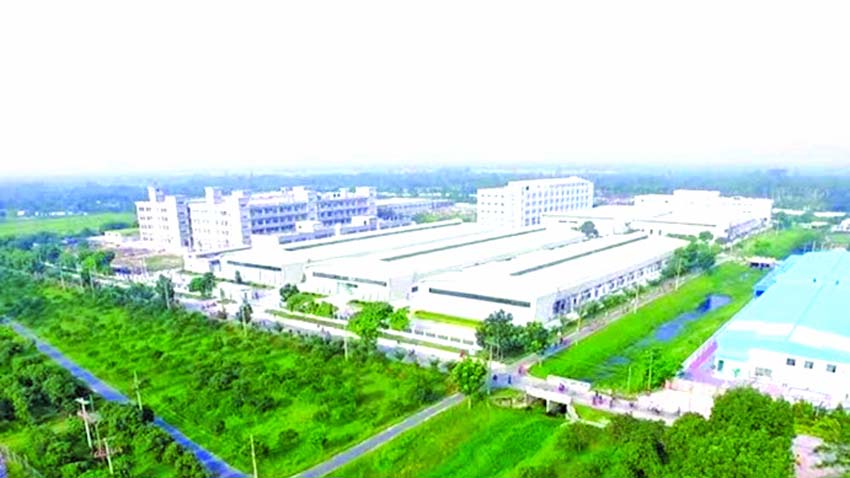
The government has decided to establish Export Processing Zones (EPZs) in Barishal and Lalmonirhat to attract foreign investment, increase exports, and create employment opportunities.
The Cabinet Division has already sent letters to the Secretary of the Prime Minister’s Office and other relevant authorities to begin implementing the EPZ projects.
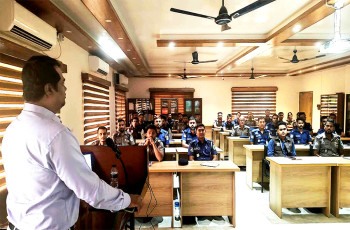
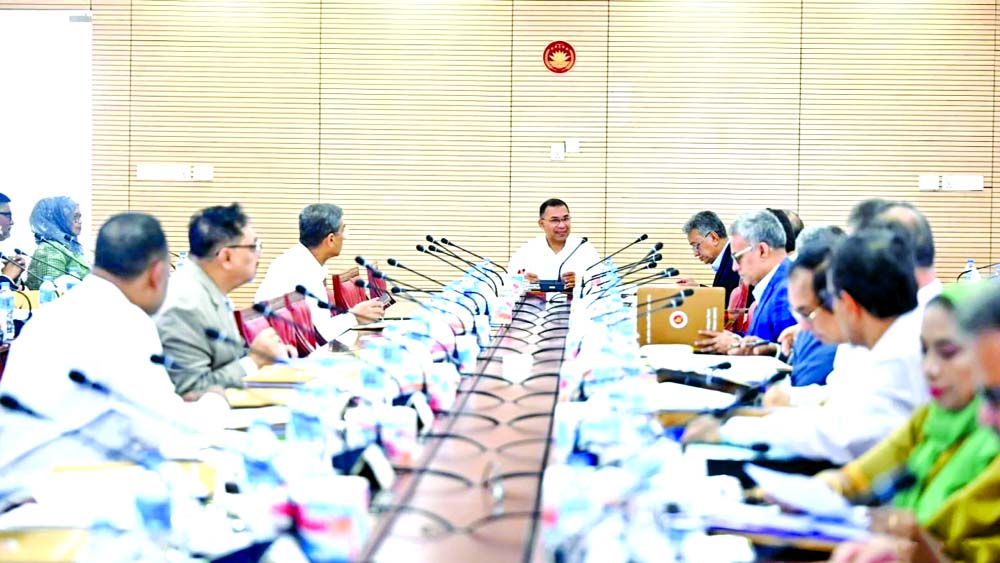
During the DC Conference held in May, several DCs highlighted the need for new EPZs and economic zones.
The concerned DCs have been instructed to submit progress reports on the implementation of these plans to the Cabinet Division.
These directives were outlined in a letter sent by the Cabinet Division to the Prime Minister’s Office and relevant authorities.
Officials from the Cabinet Division told BSS that, out of approximately 1,729 proposals received from various districts, feasible proposals were selected and presented to the Prime Minister and relevant stakeholders after several rounds of meetings with ministries and implementing agencies.
The Prime Minister’s Office has decided to implement six key decisions in three phases—short-term (within one year), medium-term (within three years), and long-term (within five years).
Among these decisions are- the establishment of EPZs in Barishal and Lalmonirhat and economic zones in Gazipur, Barguna, and Pirojpur.
Bangladesh currently has eight government-owned EPZs under the Bangladesh Export Processing Zones Authority (BEPZA): Dhaka, Chattogram, Mongla, Cumilla, Ishwardi, Karnaphuli, Adamjee, and Uttara EPZs.
The primary purpose of EPZs is to facilitate the duty-free import of raw materials and the direct export of manufactured goods.
Mohammad Khorshed Alam Khan, a Joint Secretary of the Cabinet Division, told BSS that numerous proposals are submitted each year during the DC Conference, and the government adopts short-, medium-, and long-term plans based on priority.
He said that work has already begun on implementing several important decisions this year and that letters have been sent to the relevant ministries.
In the presence of the Prime Minister, ministers, secretaries, and implementing authorities, the Gazipur DC proposed establishing an economic zone to relocate industries to a designated area.
The proposal argued that planned industrialization would reduce waste and environmental pollution, protect agricultural land, increase domestic