The widespread abuse of narcotics such as Yaba, cocaine and injectable stimulants, including amphetamines and pethidine, is emerging as a major driver of heart attacks among Bangladesh's youth, with cardiologists warning that the growing drug culture is pushing increasing numbers of young adults—and even teenagers—into life-threatening cardiac emergencies.
Doctors say substance abuse, coupled with smoking, genetic vulnerability and unhealthy lifestyles, is contributing to a disturbing rise in premature heart attacks among people under 40.
Heart attacks, once largely associated with older adults, are now increasingly affecting younger people, according to cardiologists Dr. Abdul Momen and Dr. Md. Hasan Faruque Bhuiyan of the National Institute of Cardiovascular Diseases & Hospital (NICVD). They warned that unless drug abuse and other preventable risk factors are tackled urgently, Bangladesh could face a sharp increase in premature cardiac deaths.
Dr. Hasan said emergency departments are now regularly treating heart attack patients in their 30s, with cases involving men as young as 28 or 29 becoming increasingly common.
Dr. Momen identified narcotics as one of the gravest contributors to the trend.
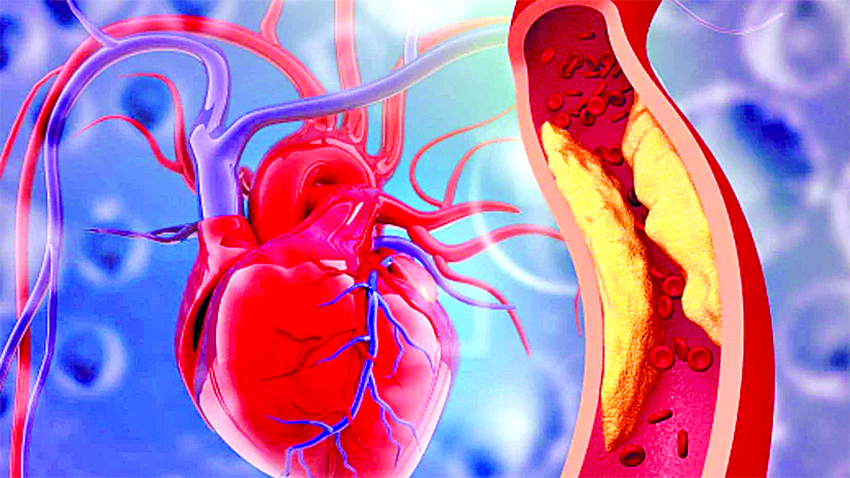
He said drugs such as Yaba, cocaine, amphetamines and pethidine sharply increase blood pressure and heart rate, trigger coronary artery spasms and promote blood clot formation, greatly increasing the risk of sudden, massive heart attacks.
"The heart is often unable to withstand the intense physiological stress caused by these drugs," he said.
He recalled treating a 17-year-old boy at NICVD who suffered a massive heart attack and required emergency angioplasty with stent implantation, describing the case as a stark example of how drug abuse can devastate cardiovascular health even during adolescence.
Dr. Hasan described cigarette smoking as another major contributor that magnifies the harmful cardiovascular effects of narcotics.
Smoking damages blood vessels, accelerates arterial blockage and significantly increases the risk of fatal heart attacks at an early age.
The cardiologists said Bangladeshis, like other South Asians, are genetically more prone to cardiovascular disease than many Western populations.
When this inherited risk is combined with drug abuse, smoking, obesity and physical inactivity, heart attacks occur much earlier in life.
They also expressed concern over the growing prevalence of diabetes, hypertension and high cholesterol among young adults, noting that these conditions often remain undetected because they produce few symptoms.
Sedentary lifestyles, excessive fast-food consumption, obesity, chronic stress and sleep deprivation further increase cardiovascular risk.
Dr. Momen said diets rich in processed foods, salt, sugar and unhealthy fats, but lacking fruits, vegetables and dietary fibre, are steadily damaging the cardiovascular health of young people.
He added that prolonged stress and inadequate sleep also contribute to hypertension and heart disease.
Dr. Hasan said warning signs of a heart attack include severe chest pressure, pain spreading to the left arm, neck, jaw or back, excessive sweating, breathlessness, nausea and extreme weakness.
He warned that many young people mistake these symptoms for gastric problems, while diabetic patients may suffer "silent" heart attacks without significant chest pain.
The cardiologists urged people experiencing sudden chest pain or unexplained shortness of breath to seek immediate medical attention.
They recommended complete avoidance of illicit drugs and tobacco, regular exercise, a balanced diet, healthy body weight and annual screening for blood pressure, blood sugar and cholesterol after the age of 30, particularly for those with a family history of heart disease.
They warned that unless the spread of narcotics and other unhealthy habits is curbed, many more young Bangladeshis could lose their lives to preventable heart attacks.