Israel carried out airstrikes on Beirut’s southern suburbs on Sunday, targeting what it described as Hezbollah infrastructure, even as diplomatic efforts intensified to secure a U.S.-Iran agreement aimed at ending months of regional conflict.
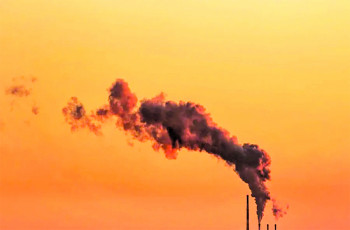
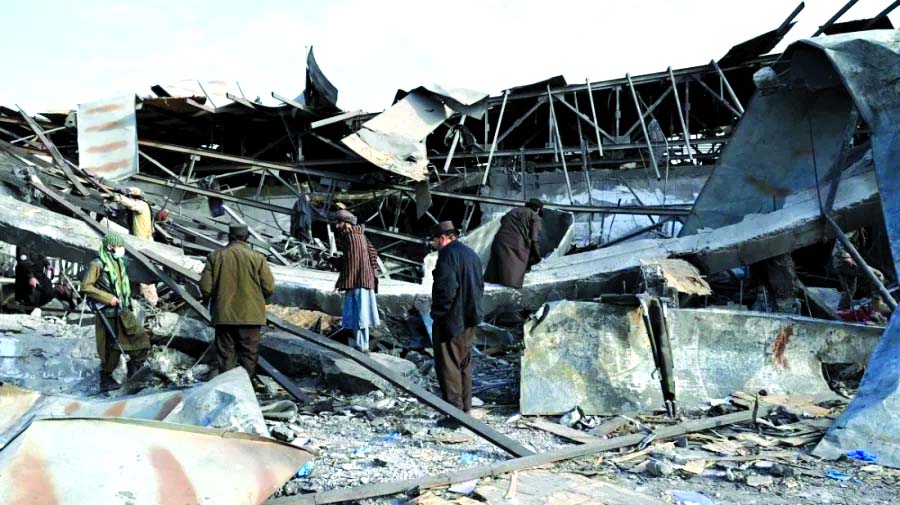
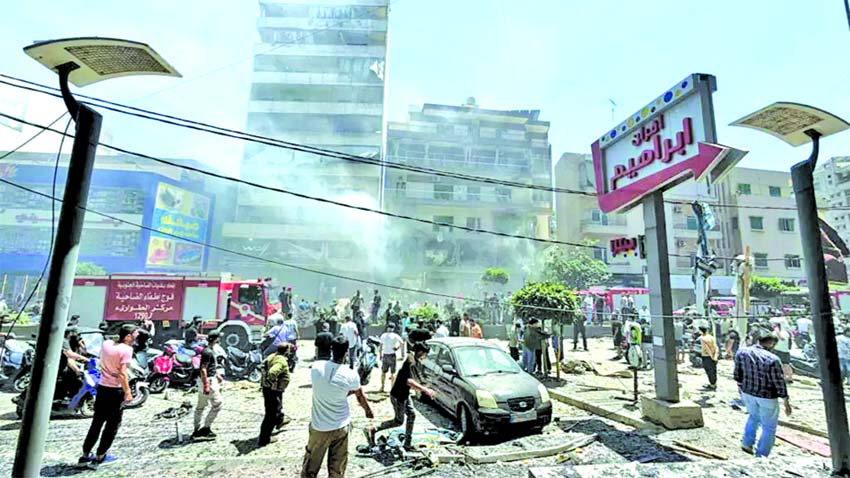
Columns of smoke were seen rising over parts of the Lebanese capital following the strikes, which came amid concerns that renewed military action could undermine ongoing negotiations. The attacks marked another escalation after similar Israeli strikes last week heightened tensions despite a fragile ceasefire that has largely held since April.
Israeli Prime Minister Benjamin Netanyahu’s office said the operation was launched in response to Hezbollah rocket fire into northern Israel. Earlier Sunday, the Israeli military reported that three projectiles had been fired from Lebanon, releasing footage showing smoke rising from the impact area.
Witnesses in Beirut said the strikes hit a residential building in the city’s southern suburbs, damaging several floors and prompting residents to flee. Many had recently returned to the area following weeks of relative calm.
The latest violence comes as international mediators work to finalize a U.S.-Iran agreement. Tehran is seeking a ceasefire arrangement that also addresses fighting in Lebanon and includes access to billions of dollars in frozen assets. Negotiations have largely been led by Pakistan and other regional actors.
Israeli leaders reiterated that attacks on Israeli territory would not be tolerated, while Hezbollah had not issued an immediate response.
According to regional officials, Qatari mediators arrived in Tehran on Sunday in an effort to conclude the deal. While optimism remains cautious, officials believe an agreement could help end hostilities that have claimed thousands of lives and reopen the strategically important Strait of Hormuz, whose disruption has rattled global markets. U.S. President Donald Trump and Pakistani Prime Minister Shehbaz Sharif indicated that an agreement could be finalized as early as Sunday, although Iranian officials suggested it may take several more days. The signing is expected to take place electronically rather than through a formal ceremony.
Despite progress, major issues remain unresolved, including Iran’s nuclear programme, its stockpile of enriched uranium and frozen financial assets. The proposed agreement is expected to establish a framework for further technical discussions rather than provide immediate solutions.
Critics, including some within Trump’s Republican Party, argue that the emerging deal falls short of earlier U.S. and Israeli objectives, including curbing Iran’s missile and nuclear capabilities and limiting its support for regional proxy groups. The future of Iran’s nuclear programme remains a key point of contention. According to the International Atomic Energy Agency (IAEA), Iran possesses more than 440 kilograms of uranium enriched to 60 percent purity, close to weapons-grade levels. Tehran continues to insist that its nuclear activities are intended for peaceful purposes.