In the neighbouring country Myanmar Rakaine state is facing a long term clash. It has made acute crisis in the state and create in the internal humanitarian crisis as well. As a result, it has a negative influence in the border of Bangladeshi economy, state security and state wealth. As Myanmar clash the border of Bangladesh, specially border area such as Naf river, shahporirdip,sent martin where made smuggling Network in costal areas. By which the smuggler continuously smuggled sate owned fertilizer, diesel, cement, goods and essential medicine. Using same road the smugglers enter here othe opposite side with yaba and banned items.
To get much money people involved in this activities in the border areas such as some law enforcers officer, local representatives and different occupations people. Though those concerned have stated taht, At present the essential commodities smuggled by border area is not a isolated crime rather it has occurred by formative economical network where different broker, local colaborator, financier, drug dealers accomplished jointly the couple countries.
Though sometimes vast goods seized, main culprits are out range. The syndicate continually continue smuggling activities but cannot stop.
At the eleventh hour of 2024 rabel group of Myanmar take control Rakaine state Against Arakan Army. Consequences Myanmar -Bangladesh business relationship made stagnaed and unsafe. Before it a few goods cross border legally when it has stopped there create a serious goods crisis in the state of Rakhaine.
The war in the country has cut off road communication, destroyed warehouses and markets, and collapsed the internal supply system. As a result, the deeper the crisis, the more opportunities for illegal border-based trade are increasing day by day. And taking advantage of this opportunity, various organized smuggling rings have started smuggling essential goods from Bangladesh. The investigation revealed that cement, fertilizer, diesel, medicines and construction materials are currently in the highest demand in Rakhine. The demand for these products is skyrocketing to build bunkers, repair buildings, and keep agriculture and infrastructure running in war-torn areas. However, their prices have increased several times due to the closure of legal supplies. According to economists, this unusual price disparity is the main motivation for smugglers. According to information, a bag of cement is currently being sold in Rakhine for 32,000 to 42,000 kyats, which is equivalent to about 20 US dollars at the international market price. However, in Bangladesh, cement of the same quality is available for a maximum of 5 dollars. In other words, there is an opportunity to make four times the profit by smuggling just one sack of cement. The same picture is seen in the case of agricultural inputs. A sack of 50 kg urea fertilizer is being sold for about 157,000 kyats in Rakhine and the price of DAP fertilizer has reached 115,000 kyats. However, the Bangladesh government provides these fertilizers to farmers at low prices by subsidizing thousands of crores of taka every year to increase agricultural production.
An administrative official, speaking on condition of anonymity, said that no consignment of fertilizer, cement or diesel reaches the border overnight. A strong network works behind this. From where the products will be collected, where they will be stored, which ghat they will pass through at which night, everything is managed in a very planned manner. Subsidized diesel has also become one of the targets of smugglers to overcome the fuel crisis. Diesel is taken to the border area in small drums and later converted into large consignments. He further said that antibiotics, painkillers, saline and emergency medicines are also being smuggled. However, according to him, these smugglings are not for humanitarian reasons, but are a plot to capitalize on the war and make extra profits.
The most dangerous aspect of this smuggling is that it is not just ordinary smuggling; rather, it has taken the form of a destructive 'barter system' or commodity exchange system. Due to the banking system and cash shortage in Rakhine, Yaba and other drugs are being sent from the other side in exchange for Bangladeshi fertilizer, cement and diesel. According to intelligence officials, although drug and commodity smuggling were separate crimes earlier, now the two groups have become intertwined. The same trawler, the same route and the same financiers are controlling both types of crimes. Since there is less cash transaction, it is also easier to evade financial intelligence surveillance.
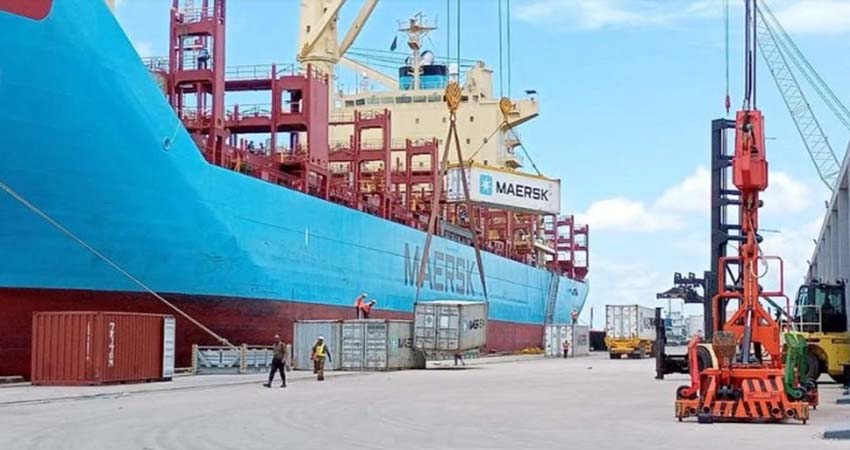
According to a local person who did not want to be named, currently members of the smuggling group are using Teknaf, Shah-Parir Island, Baharchhara, Sabrang, St. Martin, the Chittagong coast, and the Naf River as the main routes to smuggle various goods into Myanmar illegally. According to him, in recent times, furniture such as chairs, tables and daily necessities are being sent to Myanmar under the guise of new traders using the Teknaf land port as a legal route. In return, drug shipments are entering the country from Myanmar, a neighboring country on the Bangladesh border, via river or sea routes in fishing boats. Although smugglers constantly monitor the movements of the Coast Guard and Navy patrol teams through GPS and mobile networks to avoid searches. Sometimes, they smuggle goods by creating secret chambers under fishing trawlers. Although these smugglers divide large shipments into several parts and send them in small vessels so that even if caught, the entire loss is not suffered. However, recently, 22 people were arrested in a Coast Guard operation off the coast of Chittagong, along with 2,400 bags of cement and 250 bags of fertilizer from three cargoes. Similar huge shipments have been recovered from the Bay of Bengal in Kutubdia and Teknaf.
Intelligence sources say that the boatmen or workers who are arrested at the border are just low-paid employees of the main ring. The main financiers and controllers are always behind the scenes. They are difficult to identify because they use fake identities and multiple intermediaries to maintain communication.
According to experts, this crime is not only causing economic damage, but is also posing a grave threat to national security. To stop it, it is not enough to increase border patrols, but digital tracking of the fertilizer and diesel supply chain must be strengthened, raids must be conducted in wholesale markets, and information exchange between the BGB, Coast Guard, Navy, and intelligence agencies must be ensured. It will be difficult to stop this spread unless the main financiers behind the ring are arrested and their assets confiscated through the Anti-Money Laundering Act, as well as the carriers. It is not in Bangladesh's hands to stop the war in Rakhine, but it is the state's responsibility to prevent the country's subsidized resources from being smuggled out of the country and the destruction of the youth through drugs in exchange for that war. If drastic action is not taken now, the national economy, agriculture, and public safety will face long-term crises.
SM/CitizenTimes
Report by: Admin