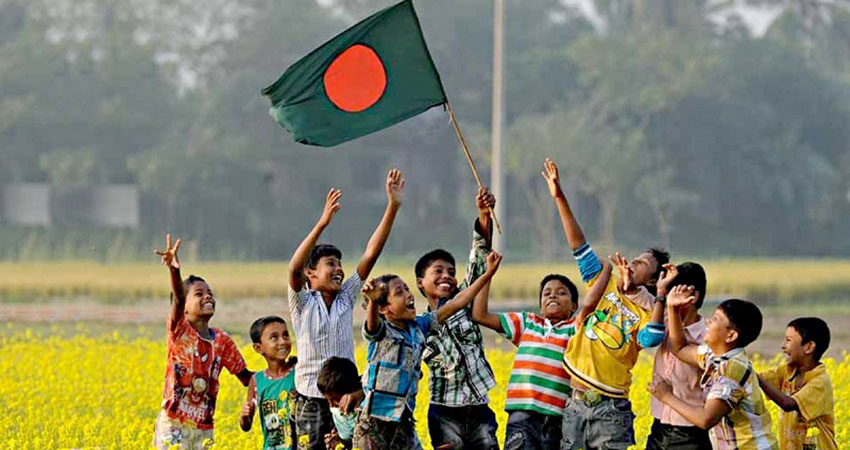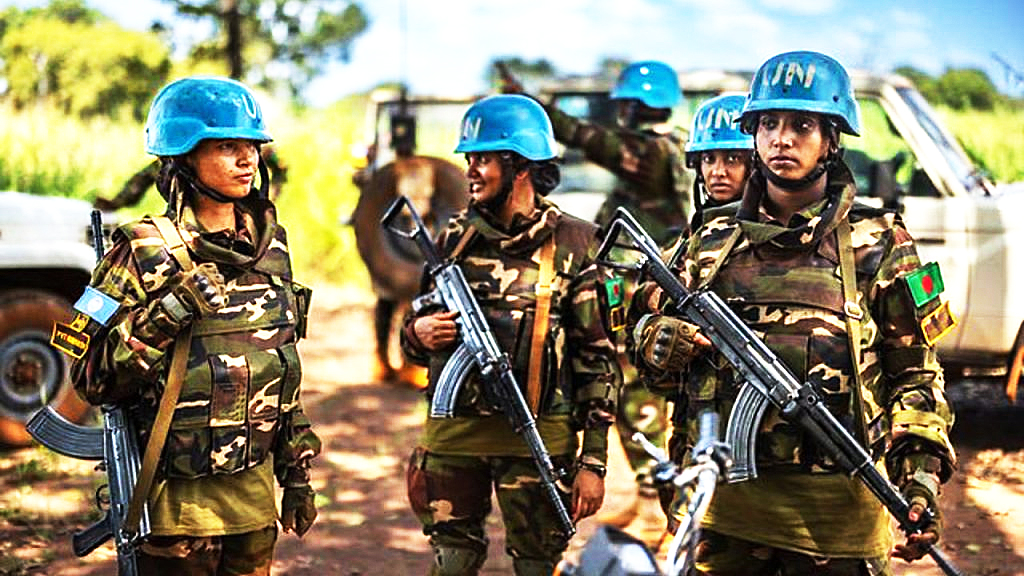
Bangladeshi peacekeeping missions in Africa upheld the red and green national standard with dignity through their sincere services in a challenging atmosphere particularly in the world’s second biggest continent, a large part of which is ravaged by prolonged brutal civil wars and bloody conflicts.
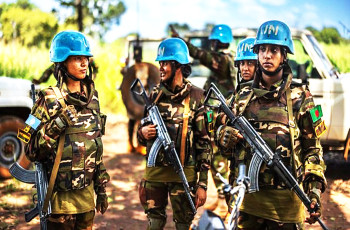
From Sierra Leone to Haiti and from South Sudan to the Democratic Republic of the Congo (DRC), Bangladeshi peacekeepers with UN blue helmets played a crucial role in international efforts to restore peace, protect civilians and provide humanitarian assistance for decades.
On several occasions, the United Nations praised the Bangladeshi peacekeepers, saying, "You have brought pride to your nation."
During UN peacekeeping missions, Bangladeshi personnel combined security responsibilities with humanitarian services.
They were engaged in civilian protection, policing, military operations and humanitarian activities, including providing medical assistance to remote communities, conducting security patrols and offering logistical support for infrastructure development.
Carrying Bangladesh’s national flag under the United Nations (UN) banner, they served in challenging environments, undertaking security operations, medical outreach, engineering projects and community engagement to support people affected by conflict.
Bangladeshi build trust among the people in the conflict-ridden through their humanitarian services, particularly free medical consultations and medicines as part of their mission as peacekeeping soldiers.
In March 2025 alone in South Sudan, which witnessed Africa’s longest civil war spanning over nearly four decades Bangladeshi peacekeepers provided free medical check-ups and treatment to more than 400 internally displaced people in Wau.
A UN report described long queues of patients waiting for medical attention and medicines as Bangladeshi peacekeepers served a mission called UN Mission in South Sudan (UNMISS).
In another medical outreach programme in Wau in 2017, they treated more than 300 local residents suffering from ailments including malaria, typhoid and diarrhoea, according to the UN.
According to Bangladesh defence ministry’s Inter Service Public Relations Directorate (ISPR) such initiatives demonstrated how peacekeeping extends beyond security duties, bringing essential services to vulnerable communities and strengthening confidence in international peace operations.
Bangladesh began its participation in UN peacekeeping mission in 1988 by deploying military observers to the United Nations Iran-Iraq Military Observer Group.
The Navy and Air Force joined the operations in 1993.
Since then, Bangladeshi personnel have served in numerous missions across Africa, Asia, the Caribbean and other regions, including Sierra Leone, Haiti, Liberia, Somalia, Cambodia, Côte d’Ivoire, Sudan, South Sudan and the DRC.
According to the Armed Forces Division (AFD) website, as of April 2026, 5,568 Bangladeshi peacekeepers were serving in 43 UN peacekeeping operations. A total of 1,977 women from Bangladesh’s armed forces have participated in UN peacekeeping missions so far.
The website lists 288 women military personnel currently deployed in different missions, including 274 from the Army, seven from the Navy and seven from the Air Force. However, it did not specify when the figures were last updated.
In Sierra Leone, they contributed to international efforts to restore stability following a devastating civil war, helping communities recover from conflict.
In Haiti, a 160-member all-female Formed Police Unit from Bangladesh served under the UN mission from 2015 until October 2017, contributing to security operations, community engagement and reconstruction-related activities. Women have increasingly strengthened Bangladesh’s role in peacekeeping.
In 2017, Bangladesh Air Force pilots Flight Lieutenant Naima Haque and Flight Lieutenant Tamanna-e-Lutfi served in the UN mission in the Democratic Republic of the Congo (DRC), marking a milestone for women in military peacekeeping.
The Bangladesh Army introduced Female Engagement Teams at battalion level in January 2019 to engage with local women and children, strengthen community relations and help identify their security concerns.
The Bangladesh Institute of Peace Support Operation Training also provides specialised pre-deployment training for personnel assigned to international missions. Bangladeshi peacekeepers have made significant sacrifices while serving in challenging and often dangerous environments, with some losing their lives or sustaining injuries in the line of duty.
“Bangladesh’s participation in UN peacekeeping operations has strengthened its international standing and demonstrated its commitment to global peace, solidarity and the protection of vulnerable populations,” an ISPR statement said.
For Bangladesh, the red-and-green flag carried by its peacekeepers represents not only national pride but also a commitment to international cooperation, humanitarian service and the pursuit of lasting peace.